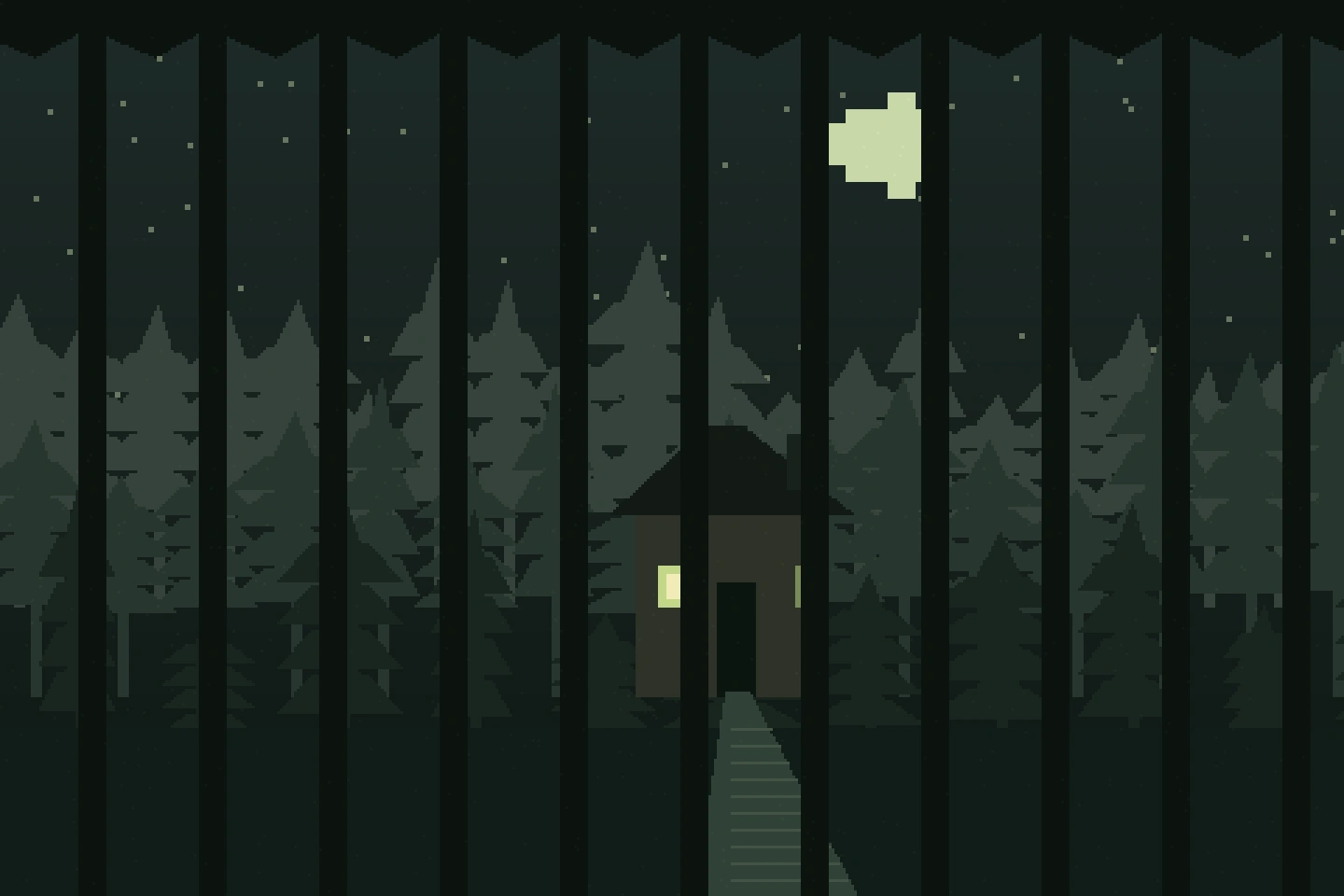
Hearn places this tale in Mino, a historical province identified in the linked edition with southern Gifu. The hamlet has no name. Its small cluster of cottages and the solitary hermitage on a nearby hill give the approach a cramped geography: help appears close enough to reach, yet nobody offers quite the protection the traveller needs.
The first unease comes from hospitality rather than hostility. The headman's family feeds Musō Kokushi before telling him that the gathering next door is a funeral. Their silence is considerate, but it has also allowed him to settle inside a house governed by a rule he does not understand. Read the warning as a negotiation over who will remain responsible for the dead.
The villagers describe an obligation to leave after a death. That is a custom within this particular narrative, not evidence that real communities in Gifu practised it. Hearn lets the practical details carry the threat: offerings are prepared, prayers are made, and everyone makes plans to sleep elsewhere. The visitor's confidence cannot make the house less empty.
The Buddhist lamp and funeral service matter to the atmosphere. They give the priest something precise to do while the village falls silent. The horror then tests whether religious composure can protect a person who must witness what happens to a body. Readers avoiding graphic treatment of human remains should take the content notice seriously.
This is Hearn's English literary rendering in Kwaidan, rather than an untouched transcript from a named village informant. His preface says most of the collection draws on older Japanese books, but does not assign this tale to one specific book. Follow the chapter link for the encounter and its explanation; this guide stops before the identity and final appeal are disclosed.