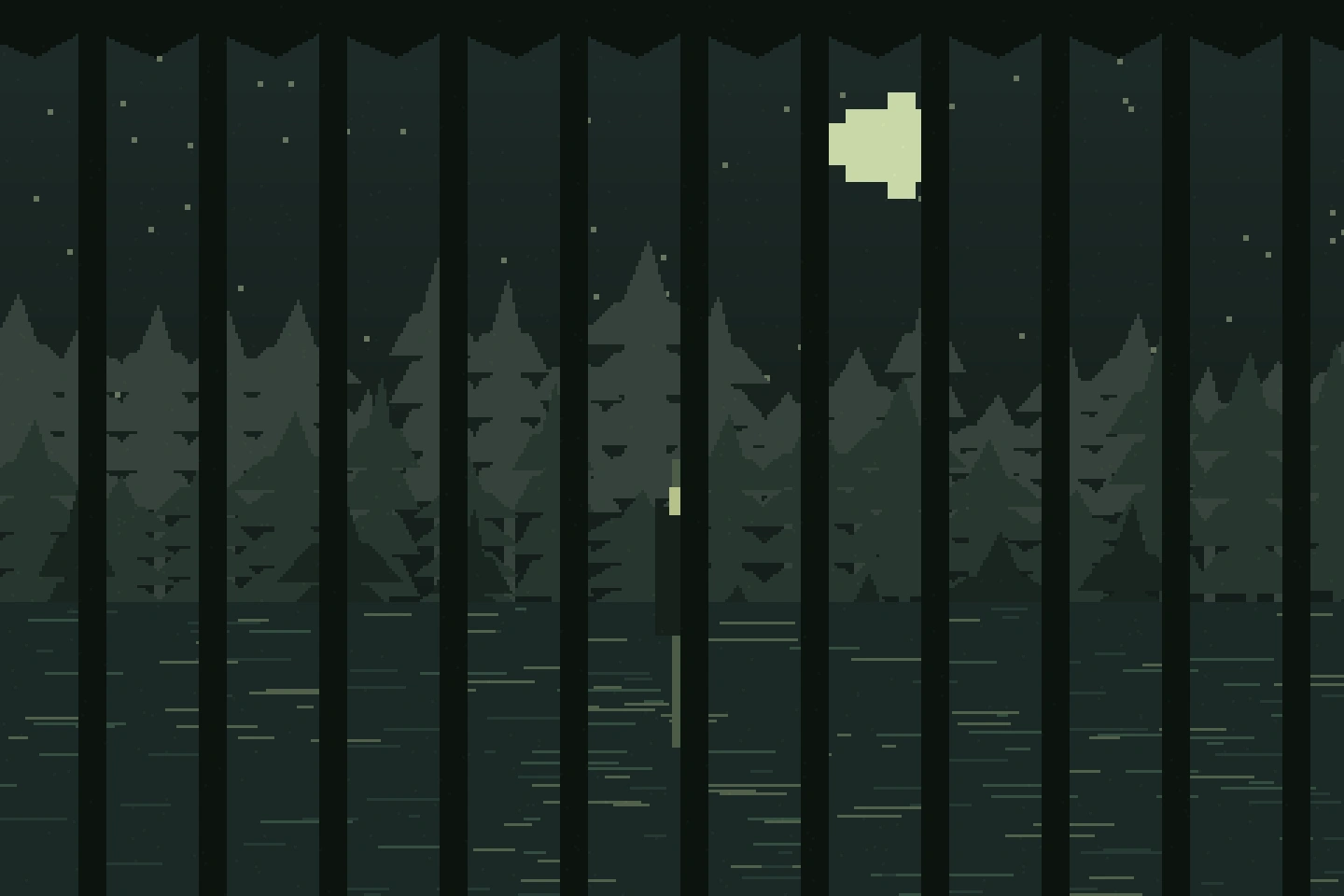
The 1864 English edition places the deacon at Myrká in Eyjafjörður and his sweetheart on the opposite side of the valley. A modern locality check supports that northern Icelandic attribution, but this guide follows the older English text. It does not import every farm-name or route detail from later retellings into a version that leaves some of them out.
Weather is the first agent of isolation. A sudden thaw changes a crossing that seemed secure, and the swollen river keeps the two sides from sharing information. This gives the familiar ghostly visit a practical delay. Guðrún can be wrong about who is coming without being foolish, because the landscape has kept an essential fact from reaching her.
The horse, Faxi, helps make the arrival credible. A known animal and an expected appointment reduce the need for explanation at the door. Pay attention to the deacon's silence and to the hurried way Guðrún puts on her winter cloak. The text allows ordinary preparations to remain visible while the ride begins to depart from ordinary experience.
This is intimate dread rather than a hunt through unknown country. The threatening figure has a place in Guðrún's life, and the journey follows a promise associated with celebration. Christmas does not create an invented Icelandic rule that all the dead return. It is the date of this particular appointment, making an expected reunion difficult to question.
Árnason collected Icelandic folklore, but the English version is mediated by Powell and Magnússon. Their preface openly says they amplified, omitted and rearranged material; this is not a word-for-word oral transcript. The linked library scan preserves that edition, and the accompanying searchable text contains OCR mistakes. Read pages 173 to 177 for the complete encounter; the guide leaves the escape and final intervention undisclosed.